







Search Results for: The Brew Lab Cafe
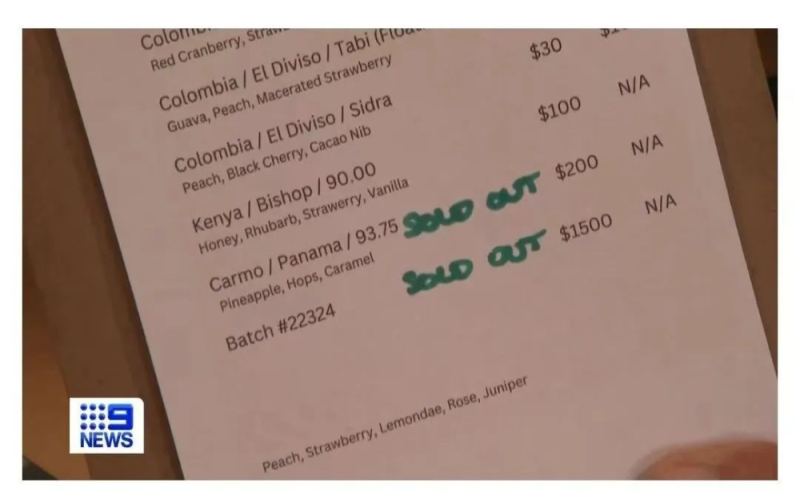
A Sydney café launches a reservation-only pour-over priced at nearly 7,000 yuan per cup, and the owner says some customers were moved to tears after drinking it.
How expensive can a cup of pour-over coffee get? The Brew Lab Cafe in Penrith, in Sydney's western suburbs, has given a jaw-dropping answer: 1,500 Australian dollars, equivalent to nearly 7,000 yuan, and it must be booked two weeks in advance. This coffee uses a single-origin bean from Batch #22324 produced by Ninety Plus, grown at the foot of the Silla De Pando volcano in Panama at an altitude of about 1,700 meters, with a cupping score of over 90 points and flavors encompassing peach, strawberry, lemonade, rose, and juniper. Owner Mitchell Johnson defines it as an experience, and revealed that some customers were moved to tears after tasting it. At the same time, the shop also offers specialty single-origin coffees priced between 100 and 200 Australian dollars for enthusiasts with limited budgets. [more…]
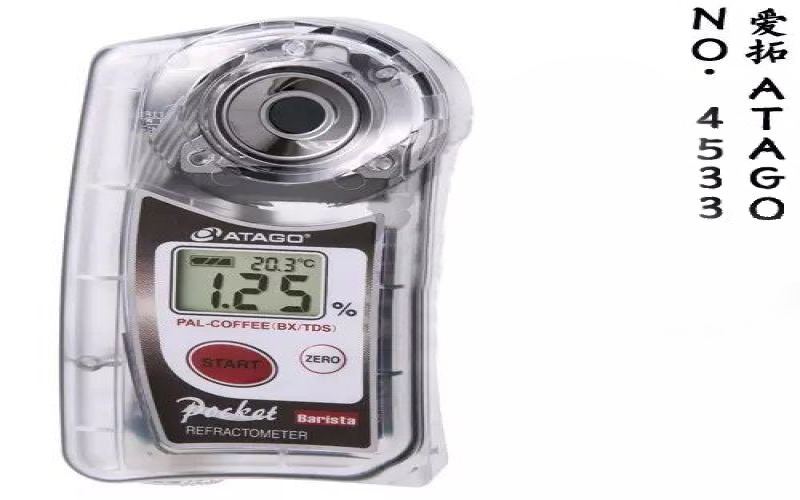
ATAGO Coffee Concentration Meter Operation Guide: A Complete Analysis from Zero Calibration to Extraction Yield Calculation
For coffee enthusiasts pursuing precise extraction, the ATAGO refractometer is a common professional tool. This article focuses on three coffee refractometers under the brand—4523, 4532, and 4533—sorting out their differences and purchasing advice, and addresses questions about accuracy comparisons with the VST LAB. Then, using the 4532 TDS model as an example, it explains step by step the practical essentials such as the unboxing checklist, battery installation, zero calibration, concentration measurement, and extraction yield calculation. The article also particularly reminds readers of easily overlooked details such as zeroing frequency, sample temperature, and cleaning taboos. If you are currently using or considering purchasing an ATAGO refractometer, this guide will help you avoid common pitfalls and make every measurement more reliable. Front Street Coffee also emphasizes the standardized use of such instruments in daily quality control. [more…]

The Best Way to Drink Cold Brew Coffee and Recommended Single-Origin Beans for It: A Full Analysis of Low-Temperature Extraction Flavor Characteristics
September has arrived, yet the heat in the south shows no sign of fading, and a refreshing glass of iced coffee remains a favorite for many coffee lovers. Step into Front Street Coffee, and the apparatus on the bar that looks like a chemistry lab setup always sparks curiosity—this is exactly the equipment for making cold brew drip coffee. Cold brew drip coffee originated in the Netherlands, using ice water for low-temperature slow extraction. Although it takes a long time, it delivers a smooth, full-bodied taste with a subtle fermented aroma. In this article, Front Street will systematically explain the extraction principles of cold brew drip coffee, its differences from hot extraction, key production points, and share suitable coffee bean choices and specific blending schemes for cold brew drip, helping you make an outstanding cup of cold brew drip coffee at home. [more…]
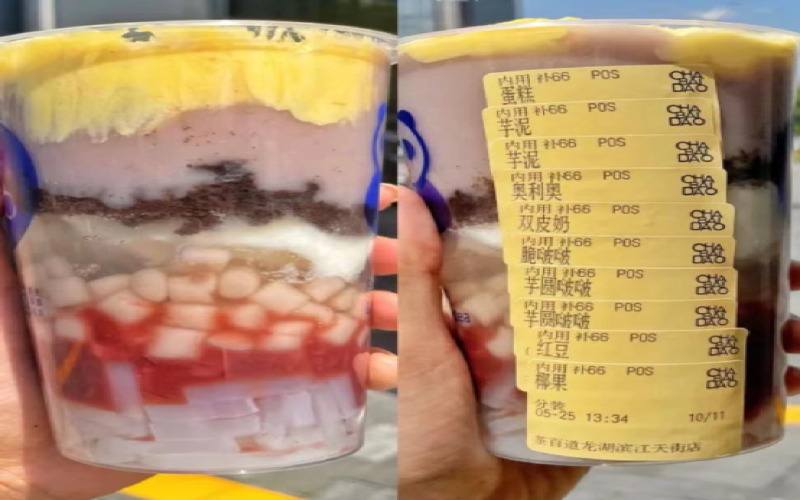
Under the cross-industry beverage trend, the boundary between coffee and milk tea is becoming increasingly blurred, and a blind taste test reveals that nearly half of consumers struggle to tell them apart accurately.
These days, walking into any beverage shop, the variety on the menu is always dazzling. Boba shops are selling porridge, cafes surprisingly offer lemon tea, and industry competition has long entered a white-hot stage. More noteworthy is that the boundary between coffee and milk tea is being continuously broken: oats, fermented rice, thick milk, and osmanthus are all being added to coffee, the traditional bitter taste is weakened, and the flavor is moving closer to milk tea. A science blogger on Weibo once organized a blind test, asking participants to distinguish between coffee and milk tea with similar flavors, and surprisingly nearly half of the people could not accurately tell them apart. Coffee's localization and youth-oriented strategies, the migration of childhood milk tea memories, and various novelty pairings have jointly driven this trend. This article takes you to explore the phenomenon of coffee becoming more like milk tea and the logic behind it. [more…]

Overpriced Coffee Gear Sparks Debate: Swap Keywords for Budget Alternatives, Front Street Coffee Teaches You How to Get Started Rationally
Want to make a good cup of coffee at home? Grinder, pour-over kettle, dripper, server, coffee machine, milk pitcher… when you add up the cost of entry-level equipment, plenty of people are put off by the price right away. Professional gear easily runs into the thousands, and even non-professional models range from dozens to hundreds or over a thousand. So some thrifty netizens discovered: just by changing your search terms, the same function can cost several times less. Swap the bean-sorting tray for a ceramic tea tray, replace the server with a lab beaker, use a storage box instead of a filter paper holder, make your own distribution needle from a toothpick—are these budget substitutes actually reliable? Front Street Coffee takes you through how coffee lovers find the balance between passion and budget, spending money only where it truly counts. [more…]

Fudan Medical College Case Card Milk Tea Goes Viral Online, Creative Packaging Inspiration Shares the Same Roots as Traditional Chinese Medicine-Style Design in the Coffee World
Recently, a "medical record card milk tea" launched by the School of Medicine at Fudan University has continued to spark heated discussion online. Its packaging design mimics prescription slips and medical record cards, printed with phrases such as "oral miracle cure" and "miraculous healing," and the straws even reproduce street signs from around the medical school, making it full of fun. As of now, the topic has received 47.589 million reads and 8,931 discussions on Weibo. In fact, similar "medical-style" creative ideas are not appearing for the first time. Previously, in the coffee sector, some cafes also introduced the concept of "oral coffee." While such novel designs can certainly grab attention quickly, for a beverage, product quality is the foundation for long-term success. [more…]
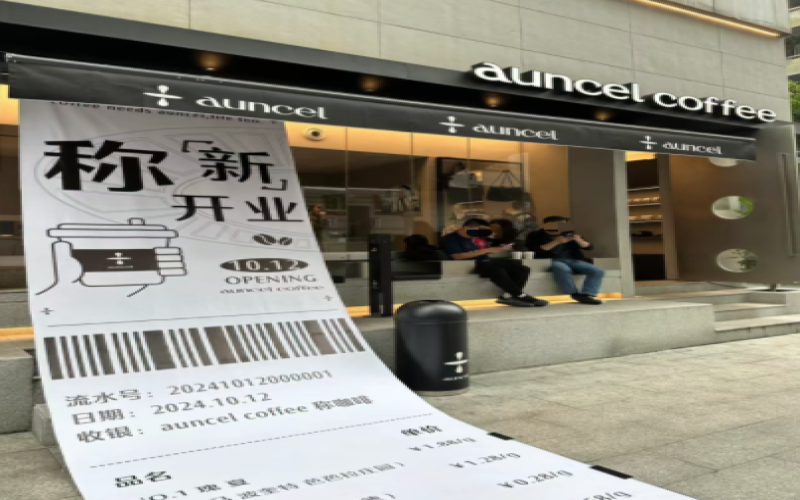
Chengdu coffee shop sells beans by the gram, conveyor-belt assembly-line brewing method draws attention
When ordering at a coffee shop, you usually buy by the cup, but a store in Chengdu has turned tradition on its head — Auncel Coffee, which sells coffee beans by the gram. Customers pick their own beans, have them weighed, and then a conveyor-belt assembly line handles grinding and brewing. This small shop near Tianfu Square in Jinjiang District, with its minimalist black-and-white style and an L-shaped laboratory-like long bar, has drawn plenty of coffee lovers looking to check in. Bean prices range from 0.28 yuan to 1.88 yuan per gram, and a cup of coffee ends up costing anywhere from a few yuan to thirty or forty yuan. Whether this model can gain a foothold in the fiercely competitive coffee market is worth watching. [more…]

Guming's Spring Festival Spinning Cup Sparks Controversy: Creativity Requires a Cup Sleeve, Missing Accessories at Multiple Stores Draw Consumer Complaints
Guming teamed up with Pan Hu Design Lab to launch a Spring Festival limited-edition "Fortune and Prosperity in Motion" themed packaging. One of the designs, a takeaway cup featuring a rotating interactive element, attracted considerable consumer interest thanks to its novel concept — some customers even placed orders specifically to collect the cup. However, many customers discovered upon receiving the actual product that the snake pattern on the cup body was hard to make out, and rotating the cup to the left as instructed produced no movement at all — a far cry from the dynamic effect advertised by the brand. Guming staff later explained that the rotating effect requires a special cup sleeve to work, and that this sleeve needs to be assembled. Due to the heavy order volume during the Spring Festival, some stores overlooked including it, which significantly undermined the customer experience. The incident sparked widespread discussion online, with some arguing that the promotional materials failed to clearly indicate the importance of the cup sleeve, while others pointed out that stores should ensure all accessories are complete before serving orders. [more…]
Yunnan Coffee Bean Prices Continue to Climb: Why Is Small-Bean Coffee So Highly Favored, as Seen from the 2022 Purchasing Market
In recent years, Yunnan coffee beans have risen to prominence in the domestic market. From China Post's cross-industry launch of Post Coffee to KFC's release of Yunnan Little Red Can freeze-dried coffee, more and more brands are turning their attention to this highland growing region. At the same time, the purchase prices of both commercial and specialty coffee beans in Yunnan have been climbing in tandem, with some premium lots even reaching the thousand-yuan-per-kilogram level. This article will review the market performance of Yunnan coffee beans, the current state of brand applications, and look back at the 2022 price trends, analyzing the multiple factors behind their popularity. [more…]
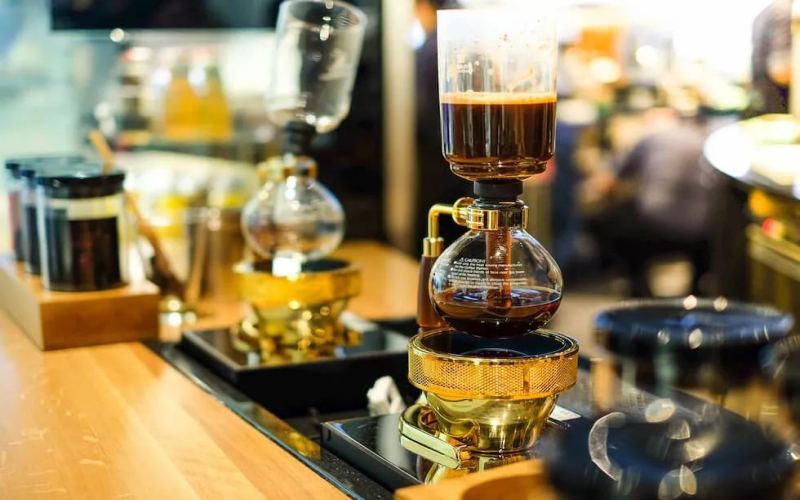
Which beans are suitable for siphon coffee? A full guide to the brewing process and buying prices
The siphon brewer, with its chemistry-lab-like appearance and unique pressure-differential extraction method, has always held a place in the coffee world. It can deliver both rich, full-bodied flavors and delicate, nuanced ones—the key lies in choosing the right coffee beans and mastering the operational details. This article will start with the structure and principles of the siphon brewer, gradually break down the brewing steps, and recommend several coffee beans from the Front Street Coffee list for different flavor preferences, helping you make an ideal cup of siphon coffee. [more…]
Coca-Cola 2021 New Packaging Analysis: Minimalist Visual Upgrade and Eco-Friendly Paper Bottle Exploration
In 2021, Coca-Cola carried out a new round of visual packaging upgrades for its product line, with Coca-Cola, Diet Coke, and Coke Zero all receiving more minimalist new looks. This redesign continues the "One Brand" strategy introduced in 2015. The most noticeable change is that the logo has been moved upward, and the classic ribbon element has been removed, giving the overall style a clean and crisp feel. In terms of color schemes, the classic version retains the red-and-white combination, the Diet version adopts red and silver, and the Zero version forms a high-contrast look with a black logo against a red background. At the same time, at the end of last year Coca-Cola also launched an eco-friendly paper bottle prototype called "Adez," jointly developed by its Brussels lab and the Danish company Paboco. It uses a paper shell with a plastic liner and a recyclable plastic cap, further conveying the concept of sustainable development. This article will compare the old and new packaging changes in detail and review these two noteworthy developments. [more…]
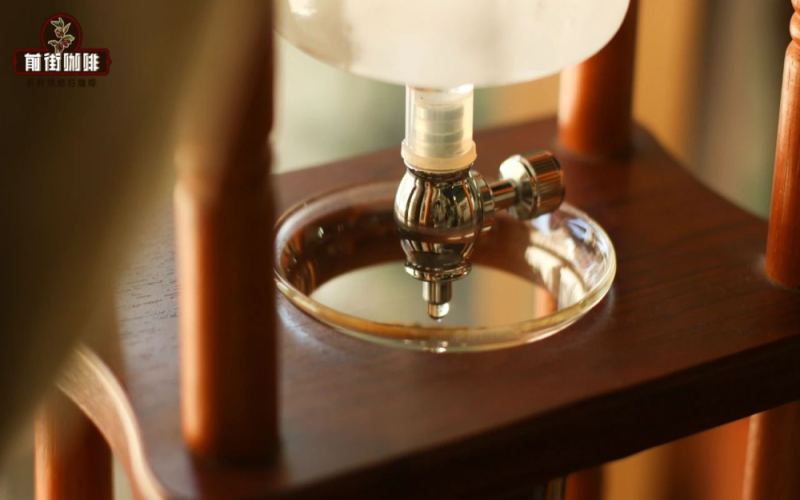
The Correct Way to Drink Cold Brew Coffee | Which Single-Origin Coffee Beans Are Suitable for Making Cold Brew Black Coffee? How Do the Flavors of Ice-Water Extraction and Hot-Water Extraction Differ?
Before we knew it, September has arrived again. I believe friends in the southern region are still battling it out every day alongside the enthusiastic Mr. Sun—the weather is still quite hot. For coffee lovers, the refreshing drink that immediately comes to mind is none other than iced coffee. Arriving at Front Street Coffee (FrontStreet Coffee), as soon as you walk in, [more…]

Panama 90+ Gesha Estate: Flavor Characteristics and Brand Background of Volcán Region Eleta Gesha
Geisha is a highly sought-after coffee variety in the coffee world today, and the Geisha produced in Panama is the benchmark among them. On Front Street Coffee's bean list, there is a rich selection of Panamanian Geisha, among which 90+ Eleta Geisha stands out. Many people wonder: is 90+ actually an estate? Where in Panama is it located? What makes this Geisha so unique? This article will focus on the origins of the 90+ company, the terroir conditions of the Volcan region, the Profile Processing system, and the flavor performance of the two Geishas currently sold by Front Street, Juliette and Eleta, to give you a comprehensive understanding of the story behind 90+ Eleta Geisha. [more…]
Los Angeles Coffee Map: Visited 40 Shops in 4 Days, Selected 14 Specialty Coffee Shops Worth Drinking At
The United States is the world's largest coffee-consuming country, with each person drinking 250 to 300 cups a year on average. For a long time, the weak flavor of American drip coffee and the burnt bitterness of dark roasts led Europeans to mock it as "sock juice," but the third-wave specialty coffee movement has made the United States a leader. The author went deep into Los Angeles, a major coffee hub on the West Coast, drank at forty shops in four days, and selected fourteen reliable, comfortable, and worthwhile cafes, including the award-winning Portola, Bar Nine, which uses ModBar, and Go get em tiger, owned by barista competition champion Charles Babinski. The article also includes his experience of unexpectedly meeting an idol and his observations on the polarization of American coffee during this trip. This article is recommended for reading by Front Street Coffee. [more…]
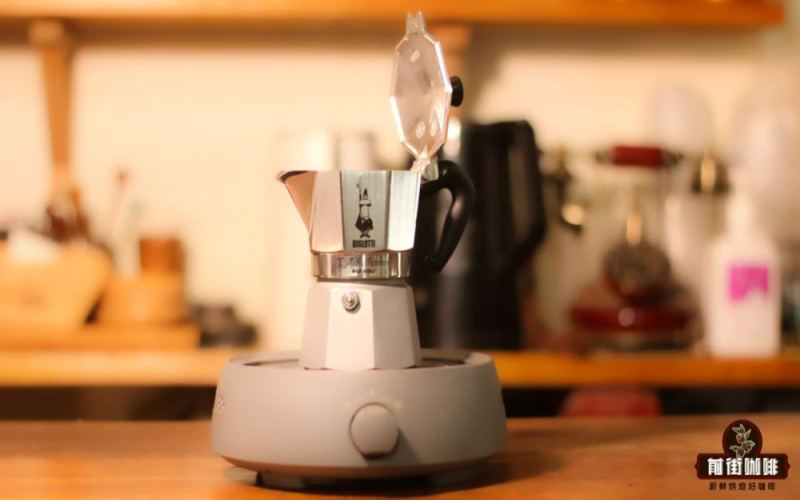
Siphon, Moka Pot, and American Drip Coffee Maker: Flavor Differences and Key Operating Points of Three Brewing Devices
For many coffee enthusiasts, their first brewing device is often a moka pot—it's aesthetically pleasing, affordable, and easy to use. But some people prefer the lab-like ritual of a siphon brewer, or rely on the ever-present home drip coffee maker. What exactly are the differences between these three devices? And how big is the gap in the flavor of the coffee they brew? Front Street Coffee will analyze them one by one, from principles and construction to operation procedures and flavor performance, and include detailed brewing steps for the moka pot and siphon brewer to help you find the cup that suits you best. [more…]
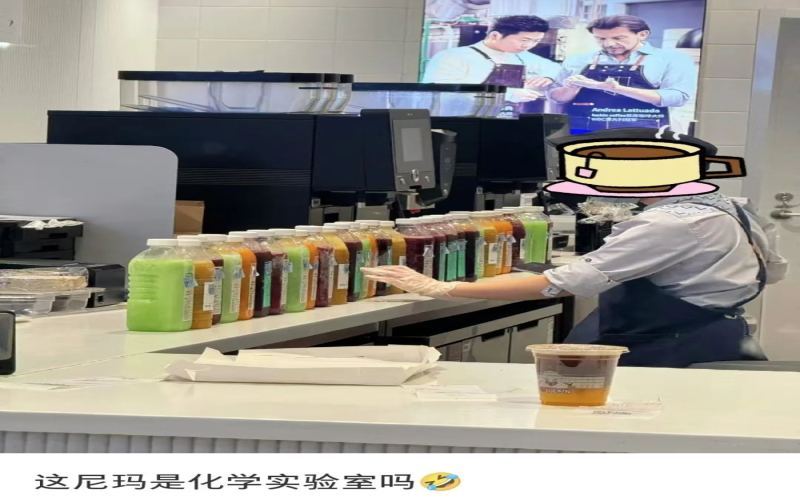
Luckin's new product line shifts toward tea drinks? Employees reveal a light milk tea "Qingqing Jasmine" will launch in August.
Recently, a customer picking up an order at a Luckin Coffee store was stunned by the dozen or so bottles of concentrated fruit juice lined up on the counter, as if they had stumbled into a chemistry lab. These colorful ingredients are the mainstay of Luckin's new products over the past two months, and they have also left baristas complaining endlessly—shaking endless shaker cups and weighing endless ingredients, making them joke that they feel more like milk tea shop staff. In an August new product plan leaked in advance by employees, a light milk tea called "Gentle Jasmine" once again sparked heated discussion, with some joking that it is the "Luckin version of Boya Juexian." Interestingly, Luckin actually launched a sub-brand called "Little Deer Tea" in its early years. Is it now going to return to the milk tea track? This article will take you to find out. [more…]

HEYTEA's barista job posting requiring a bachelor's degree sparks debate; store responds that promotions are not based solely on academic qualifications.
Recently, Heytea publicly recruited tea preparers at a job fair in Guangzhou, and the education requirement column conspicuously stated "bachelor's degree," sparking widespread discussion on social media platforms. An applicant revealed that the requirement was initially "associate degree," but was later changed to "bachelor's degree" with a sticker. Many netizens questioned: does shaking milk tea require a bachelor's degree? In response, a Heytea store stated that the tea preparer position places more emphasis on individual ability, education is not a hard threshold, and promotions are not based on education. After the incident gained traction, the education requirement on the recruitment notice was changed back to "no requirement." This recruitment controversy reflects the sensitive topic of the match between education and job positions in the current job market, and also prompts people to reconsider: where exactly is the professional threshold behind a cup of milk tea? [more…]
Exploring the Flavor Characteristics and Origins of Panama's Green Tip Geisha: From Hacienda La Esmeralda to a Specialty Coffee Legend
Panama, this narrow isthmus connecting North and South America, with its unique microclimates and volcanic soil, has given birth to the world-famous Geisha coffee. From the introduction of Typica in 1780 to Hacienda La Esmeralda's stunning breakthrough in 2004, how did Geisha rise from a windbreak hedge to the pinnacle of fame? What is the difference between green-tip and bronze-tip? This article takes you through the historical trajectory of Panama Geisha, decoding the terroir secrets of core producing regions such as Boquete and Volcán Barú, and reviewing the cultivation characteristics and grading systems of renowned estates like Hacienda La Esmeralda, Elida, and Hartmann, offering a comprehensive presentation of Geisha coffee's legendary charm. [more…]
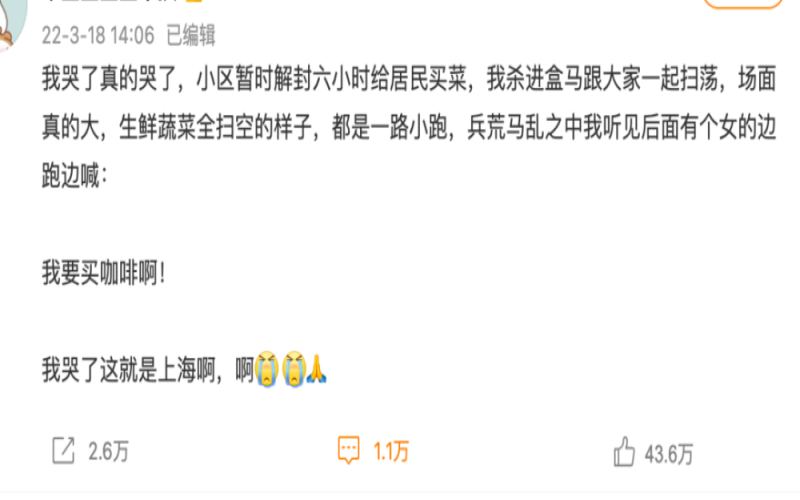
Why has Shanghai become the city with the most coffee shops in the world? Coffee has long been integrated into residents' daily lives.
Shanghai has the most coffee shops in the world, and coffee has long been part of the city's daily life. Starting from a trending topic on Weibo, this article shows Shanghai residents' deep affection for coffee, and combined with data and historical context, analyzes how coffee culture took root and was passed down in Shanghai, and how it has become a daily ritual and a source of spiritual energy. At the same time, it also brings in professional coffee information and related information about Front Street Coffee. [more…]
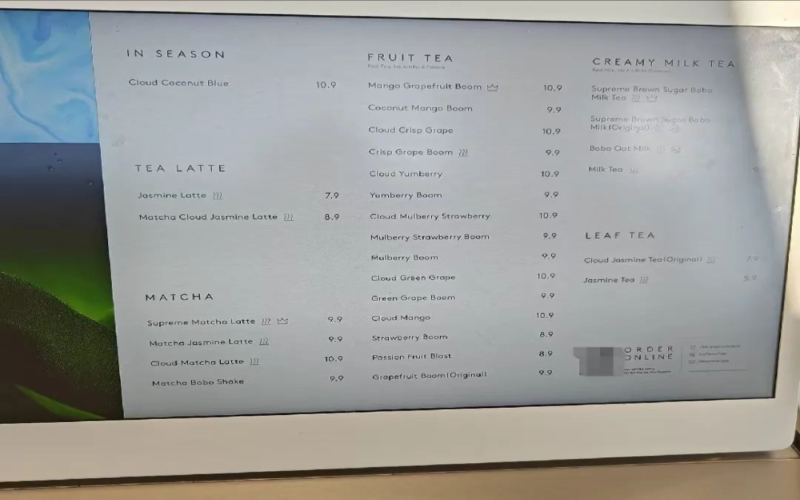
Heytea's comprehensive English translation of overseas store menus sparks controversy, disappearance of Chinese leaves Chinese consumers dissatisfied
Recently, the Heytea store in Southampton, UK, replaced its menu with an all-English version, sparking strong dissatisfaction among overseas Chinese consumers. The original poster pointed out that after all Chinese product names disappeared, ordering became difficult, and even Chinese employees made mistakes because they were not accustomed to the new menu. Subsequently, netizens discovered that multiple overseas stores in London, New York, Sydney, and other locations had also switched to all-English menus, and the official app also removed the language selection option, instead displaying based on location. Although some people believe this is catering to localization, more people criticize the move for diluting the brand's Chinese symbols and harming the ordering experience of overseas Chinese. Heytea customer service did not respond directly, and some consumers said they might spontaneously boycott it. [more…]